
Step 1 - Theme Options
To begin customizing your site go to Appearance -> Customizer and select Theme Options. Here's you'll find custom options to help build your site.

To begin customizing your site go to Appearance -> Customizer and select Theme Options. Here's you'll find custom options to help build your site.

To add a slider go to Theme Options -> Homepage and choose page slider. The slider will use the page title, excerpt and featured image for the slides.

To add featured content go to Theme Options -> Homepage (Featured) and turn the switch on then add the content you want for each section.
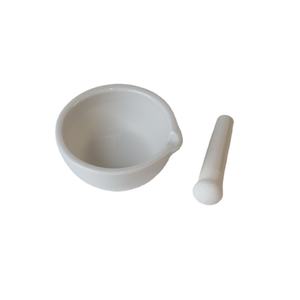
Worldwide of advanced products, where performance satisfies accuracy, few compounds have caught the imagination of engineers and innovators rather like HBN Boron Nitride Ceramics. Often eclipsed by more acquainted ceramics like silicon carbide or alumina, this impressive product incorporates the most effective of both worlds– the structural integrity of ceramics and the special buildings of
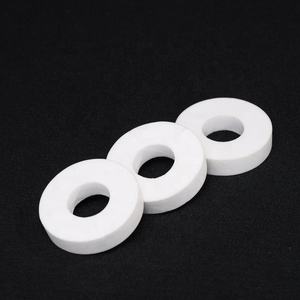
Zirconia ceramic ferrule connectors are now playing a key role in optical networks by helping to keep back reflection low. These connectors use high-quality zirconia material that offers precise alignment and strong durability. This ensures light signals stay stable as they move through fiber optic systems. (Zirconia Ceramic Ferrule Connectors Ensure Low Back Reflection in
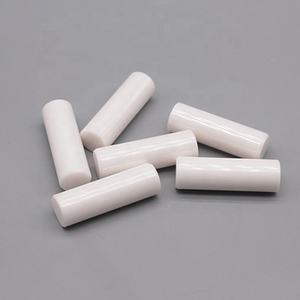
A new type of advanced ceramic coating is helping make joint replacement implants last longer. These coatings are being used on medical devices like hip and knee replacements. They greatly improve how well the implants resist wear over time. (Advanced Ceramic Coatings for Medical Implants Improve Wear Resistance of Joint Replacements) Joint replacements often face
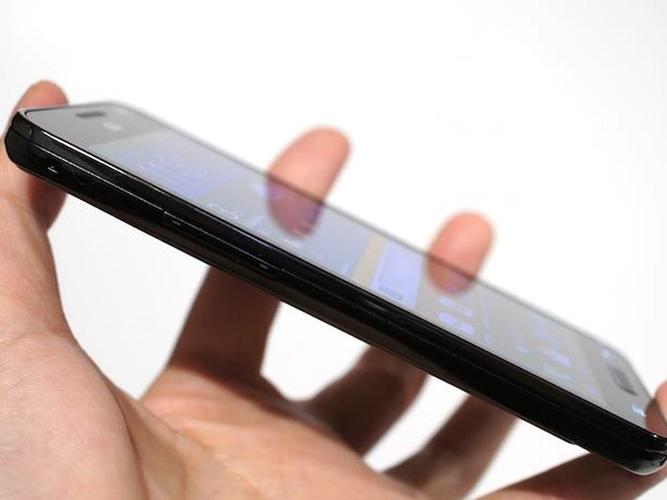
Samsung has introduced a new monitor that puts user comfort first. The standout feature is a height-adjustable stand designed to support better posture and reduce strain during long screen time. This addition reflects Samsung’s ongoing effort to blend performance with everyday usability. (Samsung’s New Monitor Features a Height-adjustable Stand for Ergonomics) The monitor lets users
Samsung has added a new feature to its latest TVs called Ambient Mode. This mode helps the screen match the look of wall art or decor behind it. The TV uses built-in cameras and sensors to analyze colors and patterns on the wall. It then displays matching visuals so the screen blends in when not
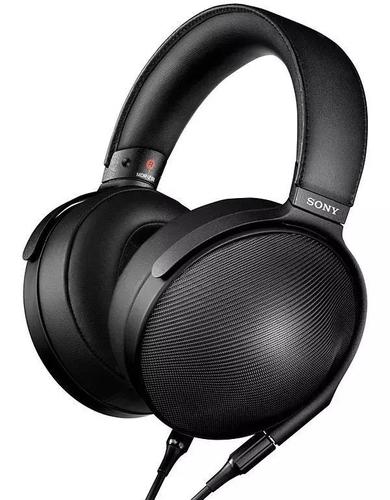
Sony has launched a new music analytics platform for radio stations. The platform is called Sony Music Insights. It gives radio broadcasters real-time data about what listeners like. This includes song popularity, audience demographics, and listening habits. Stations can use this information to make better programming choices. (Sony’s Music Analytics Platform for Radio Stations Launches)
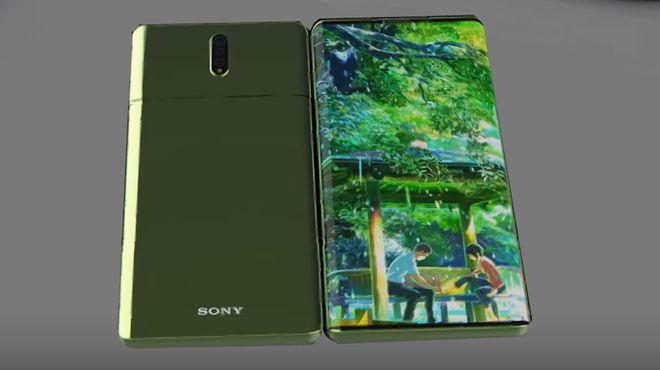
Sony Group Corporation has announced a new investment in green hydrogen production technology. The company will support the development of systems that create clean hydrogen using renewable energy. This move is part of Sony’s broader plan to cut carbon emissions and promote sustainable energy solutions. (Sony’s Investment in Green Hydrogen Production Technology) Green hydrogen is
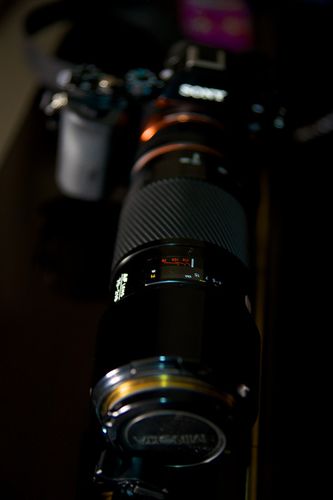
Sony has announced the winners of its “Artisan of Light” Photography Contest. The contest celebrates the creativity and skill of photographers around the world. Participants submitted images using Sony Alpha cameras. Judges looked for originality, technical quality, and emotional impact. (Sony’s “Artisan of Light” Photography Contest Winners Announced) The Grand Prize went to Maria Chen
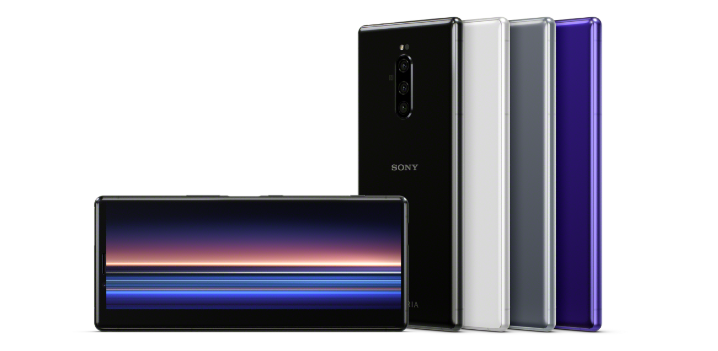
Sony has launched a new portable printer designed for smartphone photos. The device is small and light so users can carry it anywhere. It connects directly to smartphones through Bluetooth or Wi-Fi. People can print their favorite pictures in seconds without needing extra cables or setups. (Sony’s New Portable Printer for Smartphone Photos) The printer
Sony has teamed up with a top cycling team to bring its audio technology to the world of professional racing. The partnership will see Sony’s high-quality audio gear used by the team during training and races. This move aims to improve how riders and coaches communicate on the road. (Sony’s Partnership with Cycling Team for